

If your child’s teacher, pediatrician, or occupational therapist has recommended a “sensory diet,” your first instinct might be to think about overhauling your grocery list. However, a sensory diet has absolutely nothing to do with the food on your child’s plate.
It has everything to do with your child’s behavior, focus, and emotional regulation. For children with Sensory Processing Disorder (SPD), Autism, or ADHD, managing daily life can feel like navigating a minefield of overwhelming stimuli.
At OTogether, we want to help you shift from constantly reacting to meltdowns to proactively preventing them. Today, we are breaking down what a sensory diet actually is, and how you can use it to support your child’s nervous system.
The OT Perspective: Feeding the Nervous System
To understand a sensory diet, it helps to compare it directly to a nutritional diet.
Just as your child’s physical body requires a balanced diet of proteins, carbohydrates, and vitamins to grow, have energy, and function properly, their central nervous system requires a balanced “diet” of sensory input to stay regulated and focused.
For most people, the brain automatically gets the sensory “nutrition” it needs from normal daily activities. But for a child with sensory processing challenges, their brain struggles to properly organize and respond to sensory information.
If they do not get the right type of sensory input – or if they get too much of the wrong kind – their nervous system becomes unbalanced.
- The “Crash” of Sensory Overload: Just like eating too much sugar leads to a massive energy crash, receiving too much overwhelming sensory input (like fluorescent lights or loud, echoing cafeterias) leads to a neurological crash, resulting in a meltdown, anxiety, or complete shutdown.
- The “Hunger” of Under-Stimulation: Just like a starving body feels weak and agitated, an under-stimulated nervous system will desperately seek out “food.” This looks like the child who cannot stop bouncing off the walls, crashing into furniture, or fidgeting constantly.
A sensory diet is a personalized, carefully planned schedule of sensory activities embedded throughout the day to keep your child’s nervous system nourished, organized, and in an optimal state of arousal.
Key Takeaway: Building a Routine of “Sensory Snacks”
The goal of a sensory diet is to be proactive rather than reactive. Instead of waiting for your child to become dysregulated and throw a tantrum, we provide them with regular, scheduled “sensory snacks” to keep their neurological cup full.
These “snacks” are small, targeted sensory activities that help your child self-regulate before a transition or a challenging task. While you should always work closely with a pediatric occupational therapist to design a customized sensory diet that fits your child’s unique neurological profile, here are some examples of highly effective sensory snacks:
1. Heavy Work (Proprioception)
Proprioceptive input is the most universally organizing and calming input for the nervous system. “Heavy work” involves activities that push or pull against the muscles and joints.
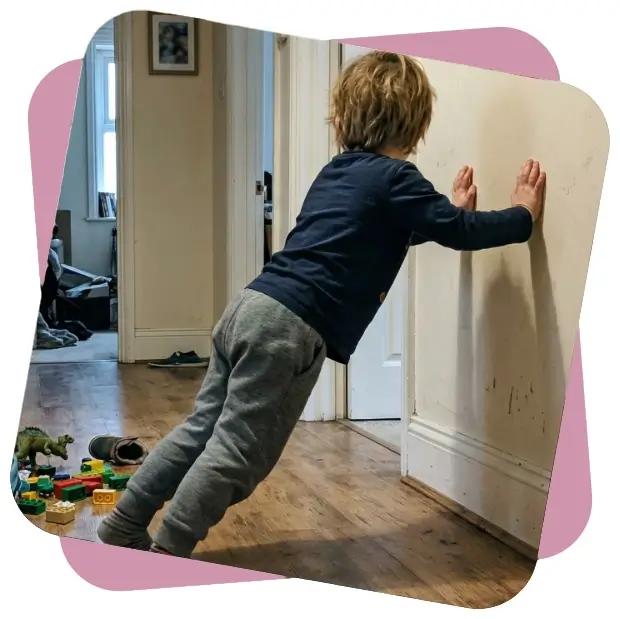
- Wall Push-Ups: Have your child do 10 push-ups against the wall before sitting down for homework.
- Carrying the Load: Have them carry a moderately heavy backpack, a basket of laundry, or push a grocery cart.
2. Deep Pressure Touch
While light, unexpected touch can trigger a fight-or-flight response in sensitive kids, firm, deep pressure releases serotonin and calms the autonomic nervous system.
- The “Squish”: Roll a therapy ball firmly over their back, or wrap them snugly in a blanket like a “burrito” for a few minutes.
- Deep Pressure Massage: Give your child a firm massage or joint compressions before a stressful transition.
3. Movement Breaks (Vestibular)
Rhythmic, linear movement is incredibly soothing for a dysregulated brain.
- Swinging: Slow, linear swinging on a playground or porch swing before school can help center a child’s focus.
- A 10-Minute Walk: A brisk walk provides a steady rhythm of movement and grounds the body.
4. Oral Motor Input
The mouth is packed with sensory receptors, making oral input a powerful tool for regulation.
- Crunch & Chew: Offer crunchy foods (like carrots or pretzels) to alert the brain, or thick liquids through a straw (like a smoothie) for calming heavy work.
By working with an OT to schedule these sensory snacks at specific intervals – like right after waking up, immediately after school, or right before bedtime – you can prevent the crash and help your child feel safe, comfortable, and ready to engage with the world.
Frequently Asked Questions
Does a sensory diet mean changing what my child eats?
No! While a sensory diet might include eating crunchy or chewy foods to provide sensory feedback to the jaw and mouth, the term “diet” simply refers to a daily schedule of sensory activities, not a nutritional meal plan.
Can I just create a sensory diet for my child myself?
While you can certainly incorporate movement breaks at home, a formal sensory diet is best designed by a registered occupational therapist.
Because some sensory inputs (like spinning) can easily overload a child’s nervous system and cause adverse reactions hours later, an OT uses clinical reasoning to ensure the activities are safe and appropriately matched to your child’s needs.
My child won’t stop moving and crashing into things. Should I try to keep them still?
Usually, no. If your child is constantly moving, their nervous system is “starving” for proprioceptive or vestibular input.
Instead of forcing them to sit still, an OT will help you provide structured “heavy work” activities that safely give their body the intense input it is craving so they can eventually settle down.
How often should we do these “sensory snacks”?
This depends entirely on your child! A sensory diet is integrated into your existing daily routine.
An OT might recommend a 5-minute sensory snack every two hours, or specific activities tied directly to difficult transitions (like a deep pressure activity right before getting on the school bus).
References
Bundy, A. C., & Lane, S. J. (2020). Sensory Integration: Theory and Practice (3rd ed.). F.A. Davis.
Comprehensive Overview of Sensory Processing Disorder (SPD). iepfocus.
Developmental FX. The Sensory Diet Concept and Use of the Sensory Diet Template. National Fragile X Foundation.
Duncan, J. B. Developing a Sensory Snack Diet. TheraPlay4Kids.
Hill, J. (2022, July 8). Sensory Diet for Autism: Daily Schedules, Examples, and OT Tips. Harkla.