
Building a Sensory Sanctuary: Redesigning Your Home for Regulation
School's out, the backpack hits the floor — and within minutes, a perfectly ordinary afternoon spirals into a meltdown. If this sounds familiar, it may not be the school day itself that's the whole story. It may be your home environment asking your child's nervous system for more than it has left to give.

Shoshi Tau
Founder & CEO
Posted on November 3, 2026
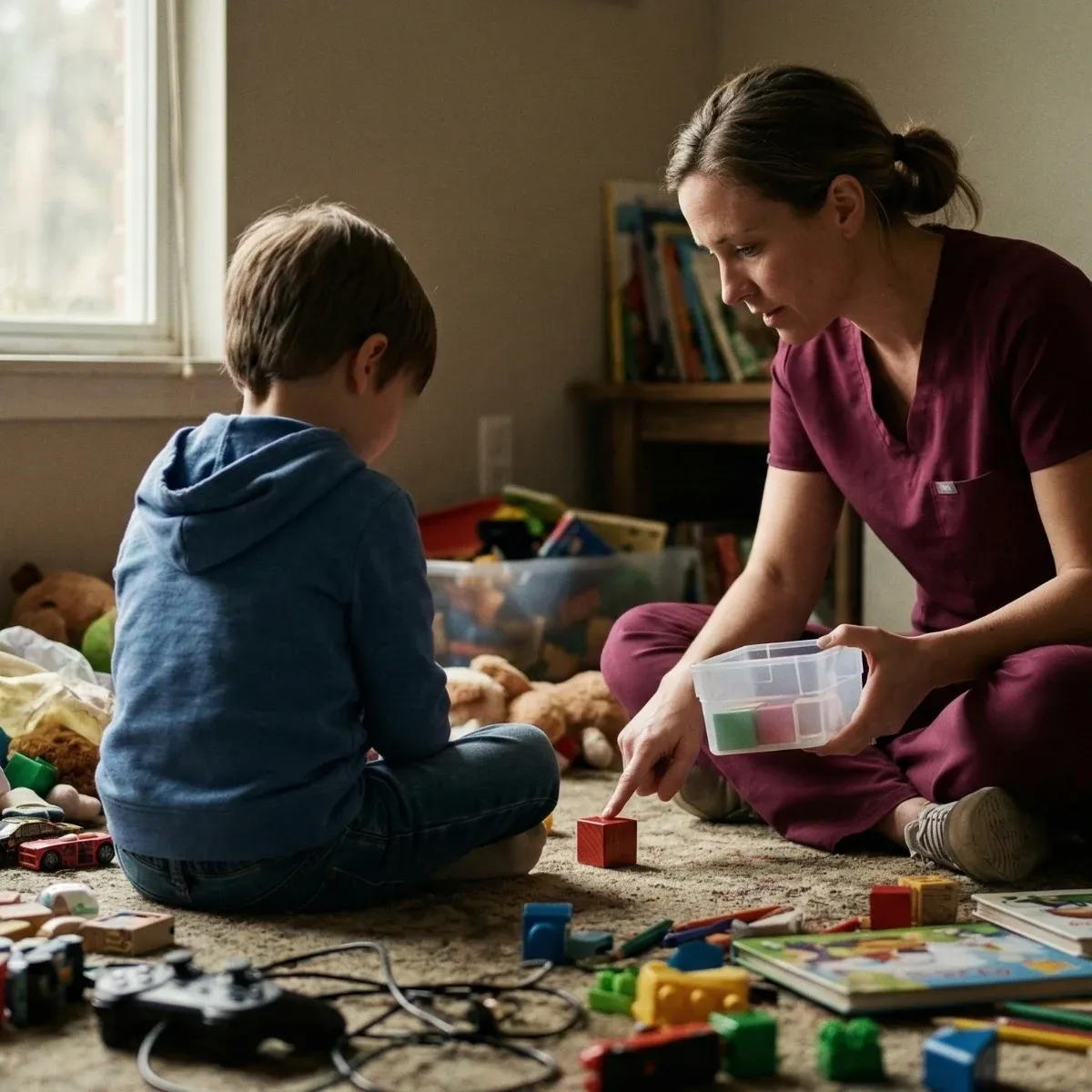
- A sensory budget. Your child's nervous system can only process so much stimulation in a day — and school spends most of it before 3 p.m.
- Meltdowns are overdrafts, not misbehavior. When the budget goes negative, the nervous system shuts down to protect itself.
- Three quiet drains. Harsh lighting, echoing noise, and strong smells are the usual suspects in most homes.
- Small fixes, real change. Warm dimmable bulbs, rugs and curtains to soften sound, and no background TV can keep the budget in the black.
- A calm cave beats a time-out. A dedicated retreat spot your child can choose gives the nervous system a place to reset.
- Guard the first 30 minutes home. A chewy or crunchy snack and a few quiet minutes before homework let the budget recover.
School's out, the backpack hits the floor — and within minutes, a perfectly ordinary afternoon spirals into a meltdown. If this sounds familiar, it may not be the school day itself that's the whole story. It may be your home environment asking your child's nervous system for more than it has left to give.
The "Sensory Budget" Idea
Think of your child's nervous system as having a daily sensory budget — a finite amount of stimulation it can process before it goes into overdraft. School spends a lot of that budget: bright classrooms, hallway noise, transitions, social demands, cafeteria smells. By 3 p.m., many kids are running on fumes.
Then they walk into a home with fluorescent kitchen lights buzzing overhead, the TV on in the living room, an open-concept floor plan echoing every sound, and dinner cooking at full aroma — and the budget goes negative. The meltdown isn't misbehavior. It's a system shutting down to protect itself.
The good news: you don't need a home renovation to fix this. Small, intentional changes can turn your home into a place where the nervous system recovers instead of spending its last reserves.
The Usual Suspects
Three environmental factors quietly drain the sensory budget in most homes:
- Harsh lighting. Fluorescent and cool-white overhead lights can feel glaring and overstimulating — especially for kids who are visually sensitive.
- Noise and echo. Open-concept spaces, tile floors, and bare walls bounce sound around. For a child with auditory sensitivity, background noise isn't background — it's a wall of sound.
- Strong smells. Cooking aromas, scented cleaners, and air fresheners register much more intensely for smell-sensitive kids and can push them toward shutdown.
You don't have to eliminate all stimulation — just give the nervous system fewer battles to fight at once.
Budget-Friendly Fixes That Actually Work
1. Soften the light. Swap harsh cool-white bulbs for warm LED bulbs, and add a simple dimmer switch (many plug-in dimmers cost under $20 and need no wiring). Let evenings get dimmer as bedtime approaches — it signals the nervous system that the day is winding down.
2. Soften the sound. You don't need professional acoustic panels. Area rugs, thick curtains, upholstered furniture, and even a few canvas wall hangings absorb echo dramatically. A white-noise machine or a quiet fan in your child's room can mask unpredictable household sounds. Tip: turn off the TV when no one is actively watching it — background media is one of the biggest hidden drains.
3. Build a calm cave. Give your child a dedicated retreat spot: a pop-up tent or a blanket draped over two chairs, with soft pillows, a weighted blanket if they like one, a couple of fidgets, and a dim light. This isn't a time-out corner — it's a choice they can make when their body needs a reset. Let it be available all day, not just after meltdowns.
4. Simplify one space. Pick one area — a bedroom, a reading nook, even a corner of the living room — and reduce visual clutter there. Fewer things on the walls, toys in bins with lids instead of open piles, one calm activity at a time. Kids don't need a minimalism makeover; they need one place where their eyes can rest.
5. Watch the after-school transition. The first 20–30 minutes home are the danger zone. Consider a predictable routine: snack (something chewy or crunchy — strong oral input is regulating for many kids), a few minutes of quiet, then homework or activities. And keep questions to a minimum — "How was your day?" can wait until the budget recovers.
When to Ask for Help
If meltdowns are intense, frequent, or don't ease even with environmental changes, an occupational therapy evaluation can identify exactly where your child's sensory budget is being drained — and build a plan around it. Every child is different, and that's the whole point: sensory strategies work best when they're tailored to your child.
Key takeaway: You can't eliminate the stimulation of a busy day — but you can make home the place where your child's nervous system gets to breathe. Warm dimmable light, softer sound, and one calm corner can make the difference between an afternoon of meltdowns and an afternoon of recovery.
Questions about your child's sensory needs? Reach out to OTogether — we're here to help your family find its calm.